Particle Physics · Higgs Boson · Quantum Machine Learning

Dr Abdualazem
Ebrahim

Research Associate · School of Physics, Nanjing University

I am a high-energy particle physicist working to understand the fundamental structure of matter through precision measurements and searches for new physics. My research spans both large-scale collider experiments and detector-driven innovation, with a particular focus on extracting physical information from complex or indirect experimental signatures. I have led analyses within the ATLAS Collaboration and currently develop new reconstruction strategies at the BESIII Collaboration. My work combines physics insight with modern computational techniques to expand the range of phenomena that can be experimentally accessed.

Dr Abdualazem Ebrahim
Science Communication

Public Outreach

ATLAS public briefings communicate experimental results to a broad audience beyond the collaboration. I contributed to the writing and production of the following briefings.

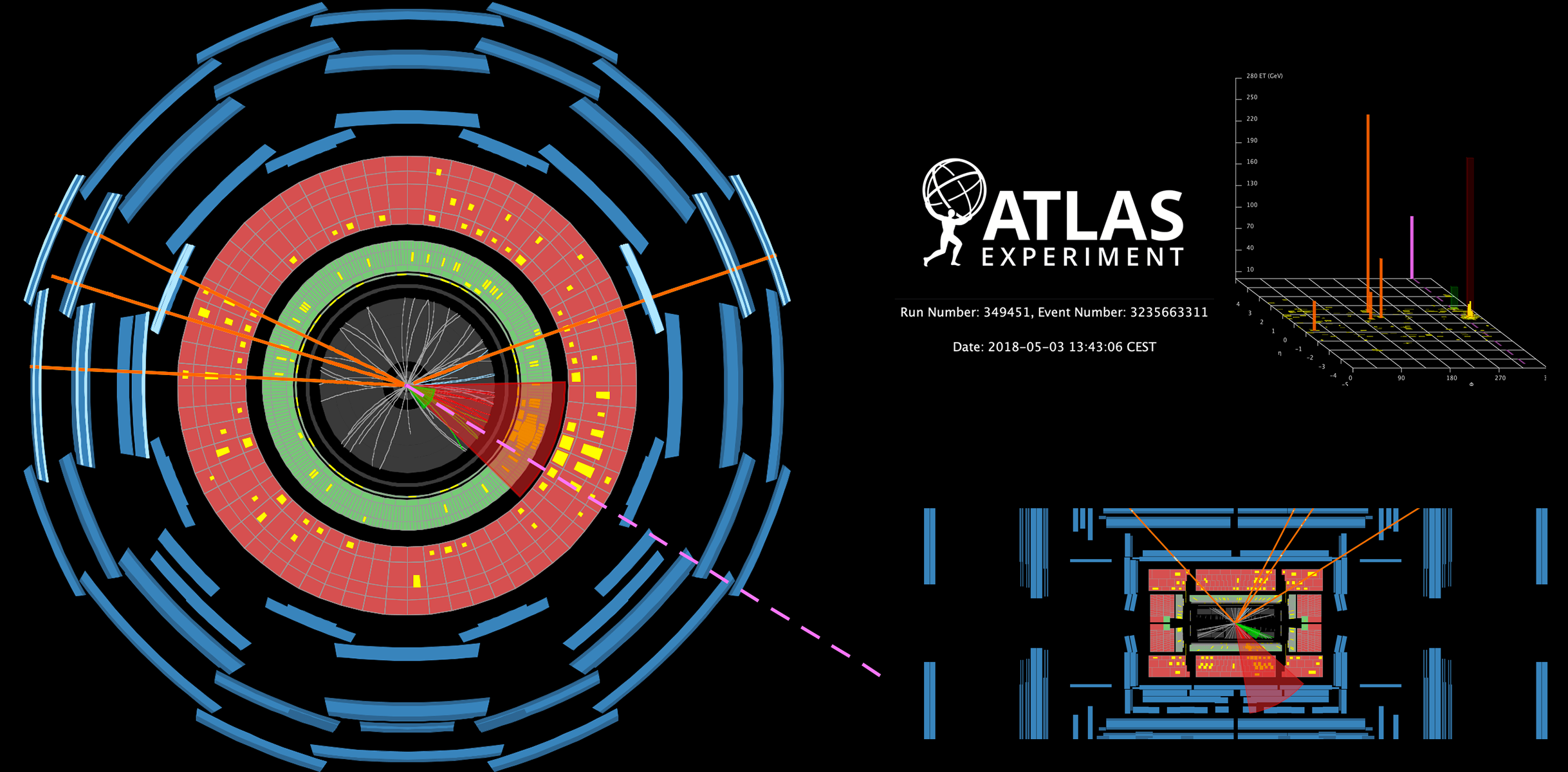
ATLAS event display: 13 TeV collision with four muons, two jets, and missing transverse momentum — selected to represent the 2HDM search result
ATLAS Briefing · 2024
ATLAS searches for new particles in familiar decays

The first ATLAS search for heavy bosons decaying into four leptons plus missing transverse energy or jets, probing 2HDM and 2HDM+S scenarios across 320–1300 GeV with the full Run-2 dataset. No significant excess was observed; exclusion limits were set.

My contribution: I produced the event display shown above — selected by the ATLAS outreach team to represent this result publicly. I was also the Analysis Contact and Paper Editor for the underlying publication.

Read Briefing →
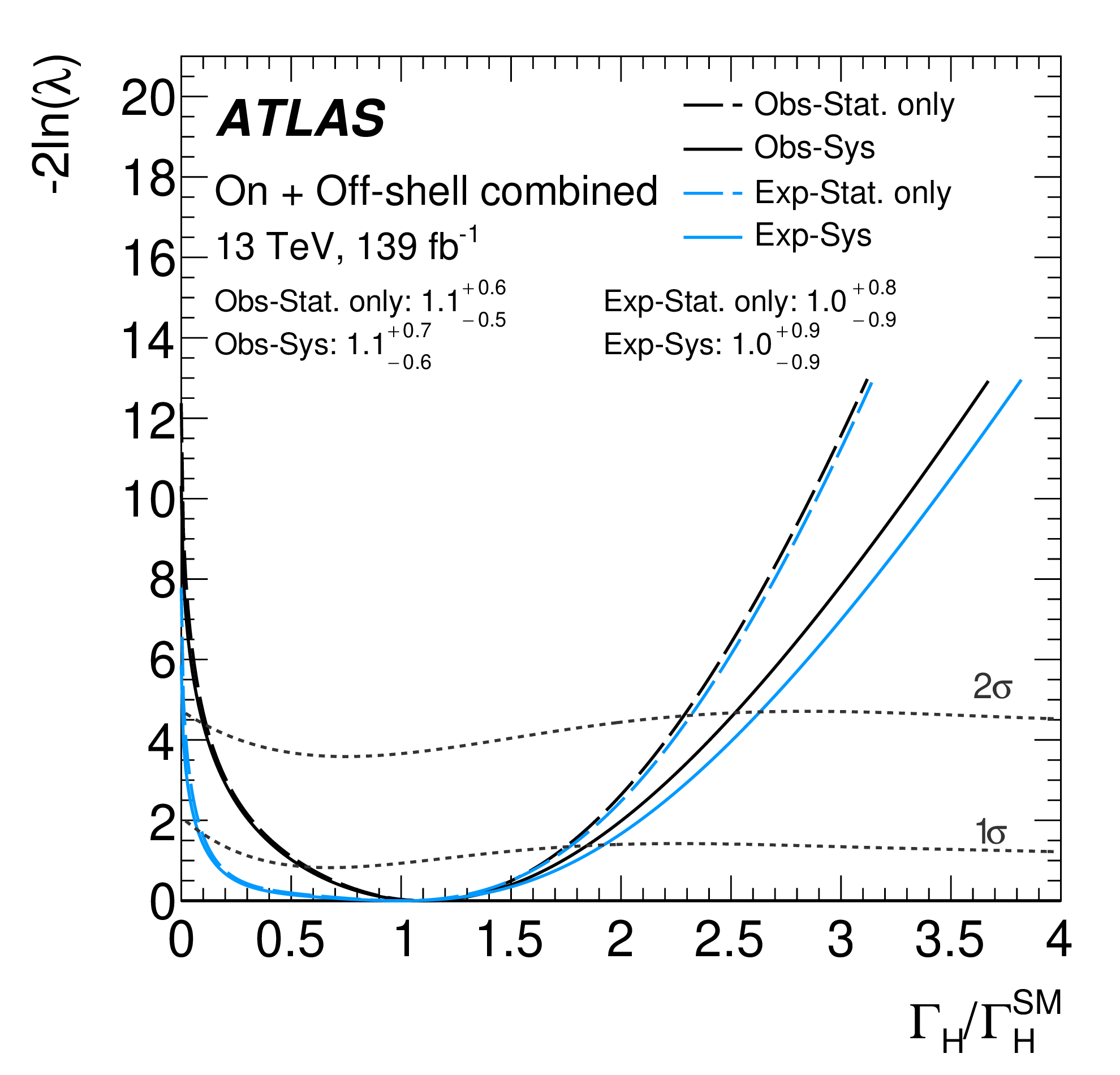
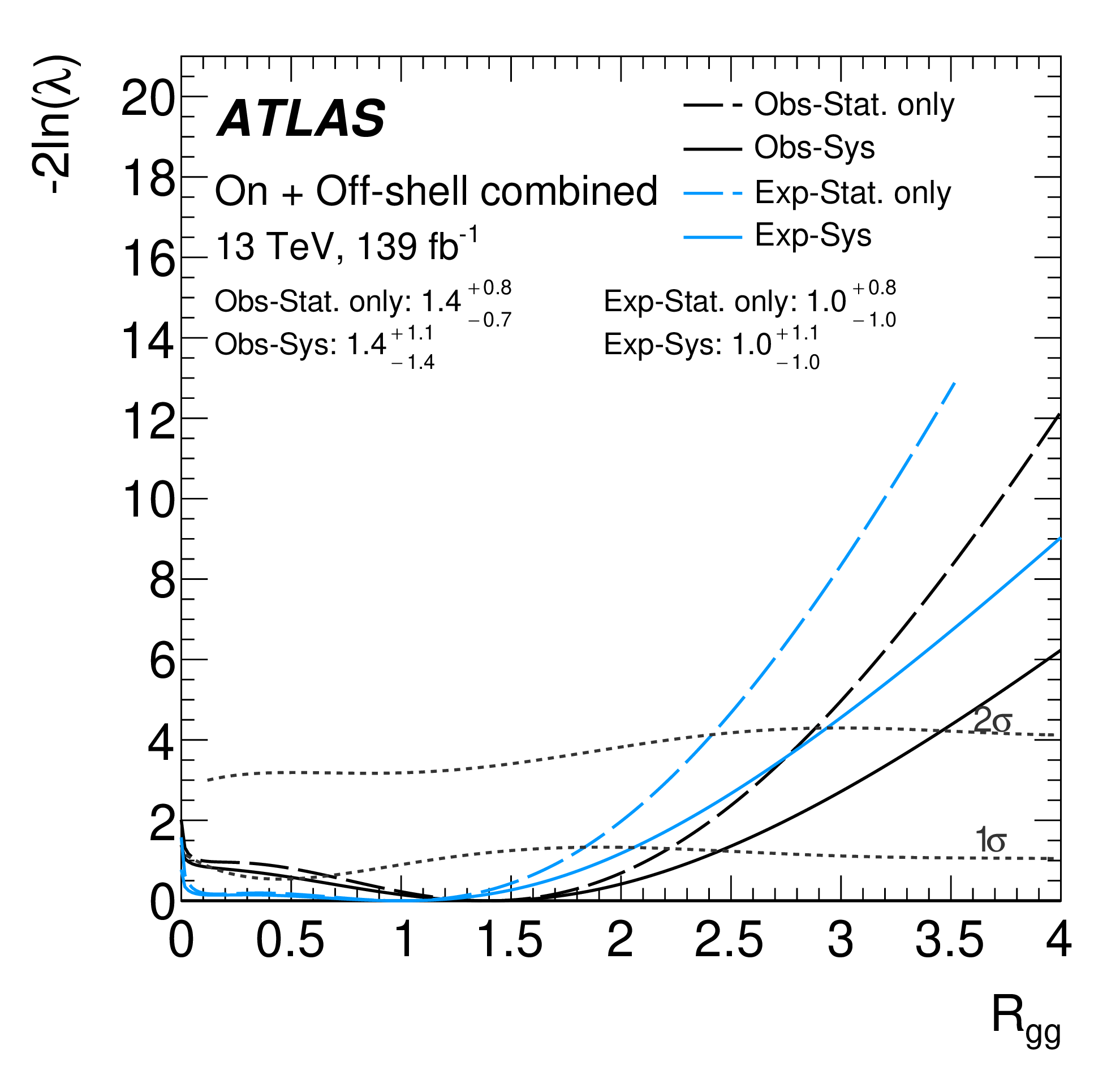
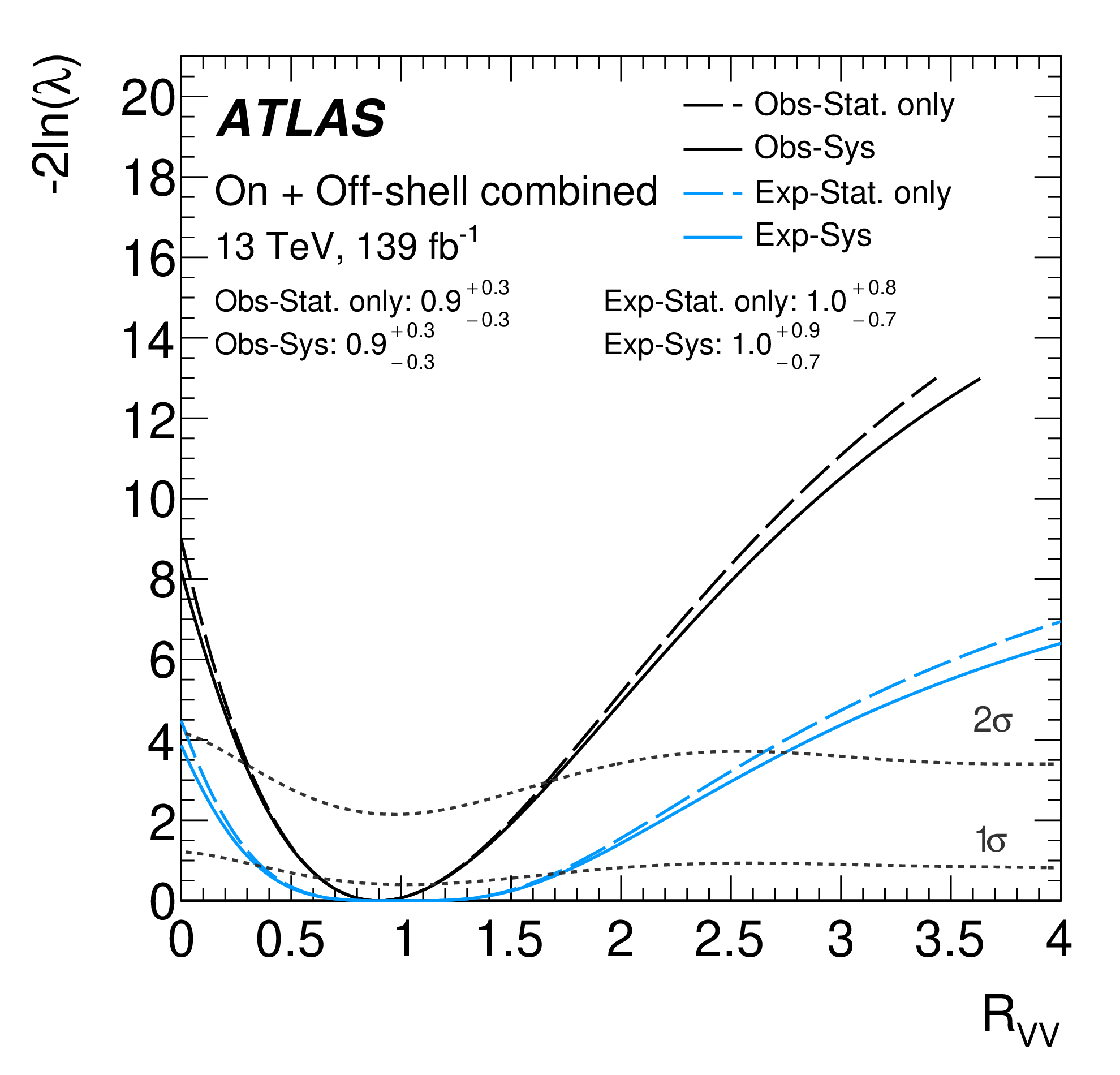
Likelihood scan of the Higgs boson total width ratio ΓH/ΓH_SM Likelihood scan of the gluon-fusion coupling strength Rgg Likelihood scan of the vector-boson coupling strength RVV
ATLAS Briefing · 2023
ATLAS finds evidence of off-shell Higgs boson production and measures its total width

The first ATLAS evidence for off-shell Higgs boson production at 3.3σ significance, measuring the Higgs total width as 4.6 ± 2.6 MeV via ZZ → 4ℓ and ZZ → 2ℓ2ν final states — the most precise direct ATLAS constraint at the time.

My contribution: Contributing analyst on the ZZ → 4ℓ channel; led systematic uncertainty studies and the combined statistical analysis that produced the core Higgs width measurement.

Read Briefing →